
How to comply with BBR and Säker Vatten with Tollco
One third of all water damage in homes occurs in the kitchen. Due to this high number, industry organisations have introduced new rules and recommendations to reduce the risk of water damage.
From 1 January 2026, new industry regulations for kitchens will come into force under Säker Vatteninstallation 2026:1. At the same time, changes to Boverkets building regulations (BBR and EKS) will apply from 1 July 2025, together with new requirements for type approval and testing methods from RISE and Kiwa.
Together, these changes mean that all kitchens, in new builds, renovations or when replacing appliances, must have both passive and active protection against water damage. All products must also be type approved and tested according to the new certification rules.
Insurance terms are directly linked to whether installations follow these regulations.
Tollco solutions for a compliant installation according to the new regulations



What the regulations mean in practice
When a new kitchen is built, renovated, or when an appliance or other water connected equipment is installed, the new regulations must be followed for insurance compensation to apply. In this material you will find our products for the most common needs in the kitchen. All our products are type approved according to the certification rules. We offer both passive and active protection needed to comply with the new regulations.
The kitchen must include both:
Passive protection
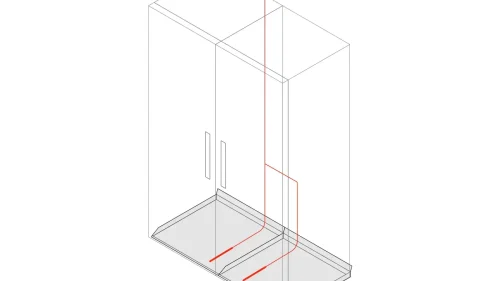
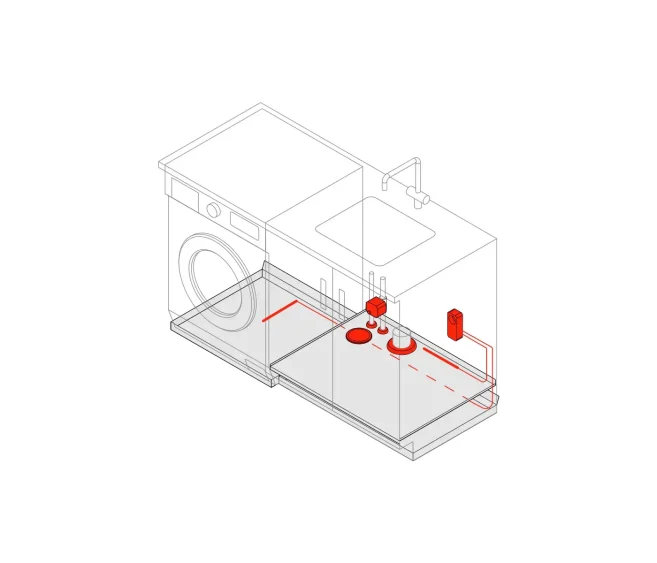
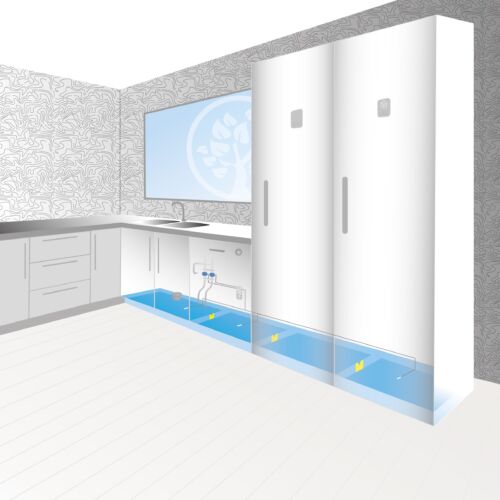
- Drip trays – These are placed under the refrigerator, freezer and dishwasher. They must have raised edges to prevent water from spreading onto the floor.
- Inserts for built-in appliances – These are used for built-in refrigerators and freezers together with active protection.
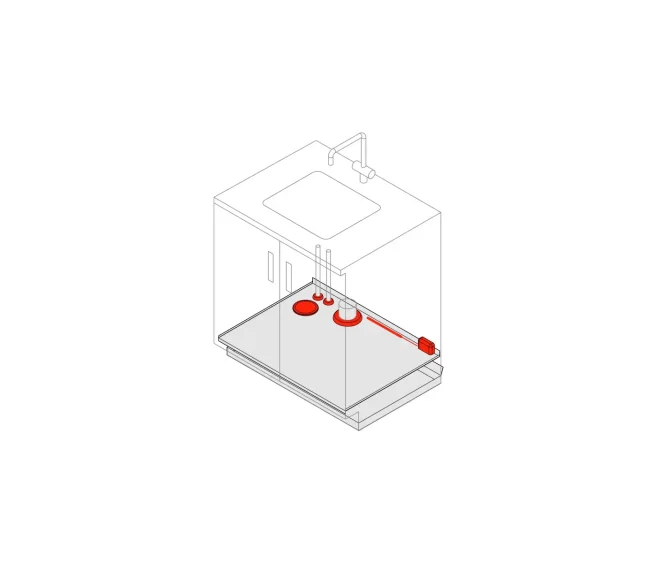
- Sealing grommets for pipe penetrations – The sink cabinet must also have sealing grommets. It must be watertight where pipes and hoses pass through the bottom of the cabinet.
- Correct tray size (new requirement)
Active protection
- Water alarms with sensors – The alarm has connected sensors placed in areas at risk of leakage. As soon as water touches a sensor, the alarm emits a signal.
- Water fault circuit breaker – A leakage breaker increases safety by shutting off the water supply as soon as a leak is detected.
- Sensors in the correct locations to detect leaks early.
All products must be tested and type approved according to the certification rules.
Who is responsible?

Consumer
The buyer or client of products or services. As a homeowner, the consumer is responsible for ensuring the home meets insurance requirements.

Manufacturer and retailer
Before purchase, the seller must inform the consumer about conditions relating to the product’s properties or usage that the consumer can reasonably expect to be informed about, provided the information may affect the purchase.
According to the Swedish Consumer Sales Act
Chapter 4, Section 3

Installer
Not authorised by Säker Vatten. For example carpenters or appliance installers. You are responsible for performing the work in a professional manner according to current industry regulations. If deviations from the regulations occur, a documented agreement of deviation must be made together with the customer.

Plumbing installer
Authorised and connected to Säker Vatten. Responsible for pipe installations, water and sewage. Also responsible for ensuring there is a water alarm in the sink cabinet. Exceptions apply to building related conditions such as a watertight cabinet bottom. All deviations must be documented as a deviation agreement with the customer.

New requirements for products – type approval and testing
Applies from 1 January 2026:
RISE and Kiwa are responsible for new testing methods and type approvals.
Important certification rules:
CR 057 – Leakage protection for appliances, sink cabinets and water connected equipment
CR 139 – Leakage breakers and water alarms
A type approval is normally valid for five years. Existing approvals remain valid until their expiry date.